Species knowledge

Learning to name local life is the first step toward protecting it.

This page will become BioDiv's growing field library: species portraits, habitat notes, images, and literature for people who want to understand local biodiversity in detail.

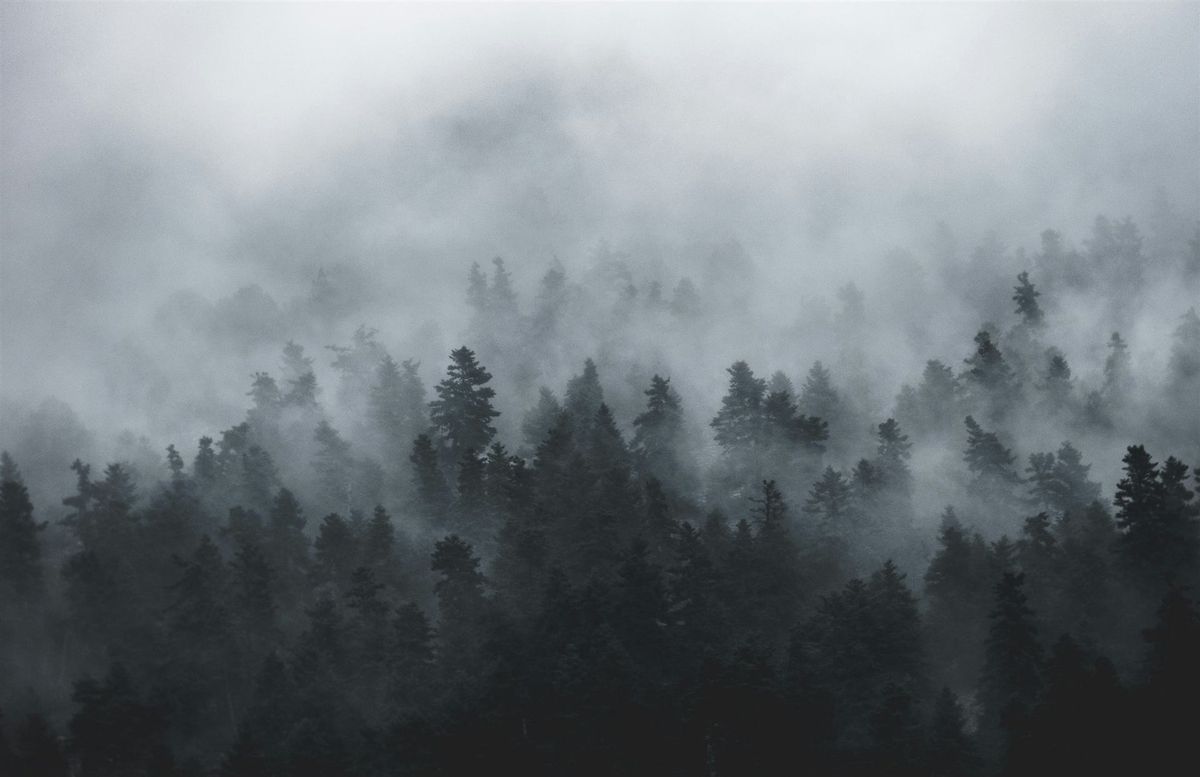
Misty forest at dawn
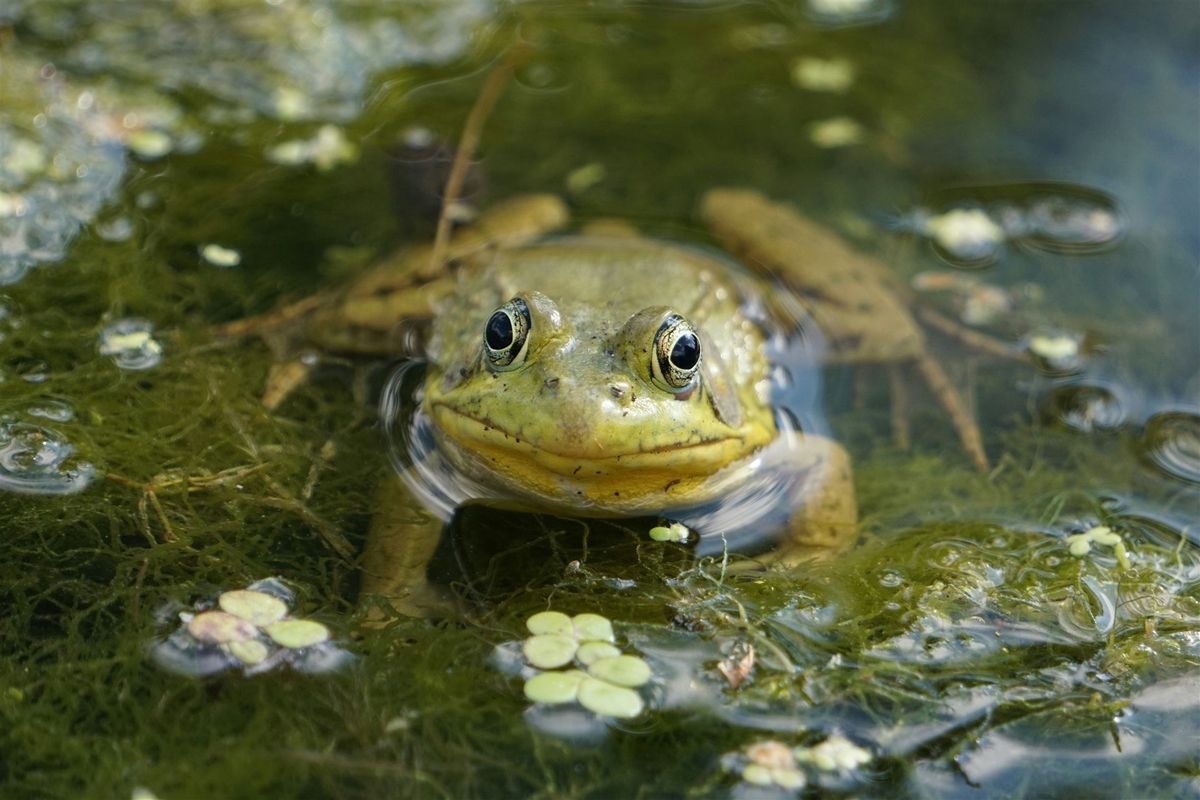
Frog on a water lily

Amphibians as wetland indicators

Frogs, toads, and newts respond quickly to changes in water quality, habitat fragmentation, and seasonal drought. They are excellent ambassadors for explaining why small ponds, ditches, and wet meadows matter.

  • Recommended literature: Amphibian ecology and conservation field guides for Central Europe.
  • Future content: local species profiles, call identification, breeding habitat notes, and monitoring protocol.
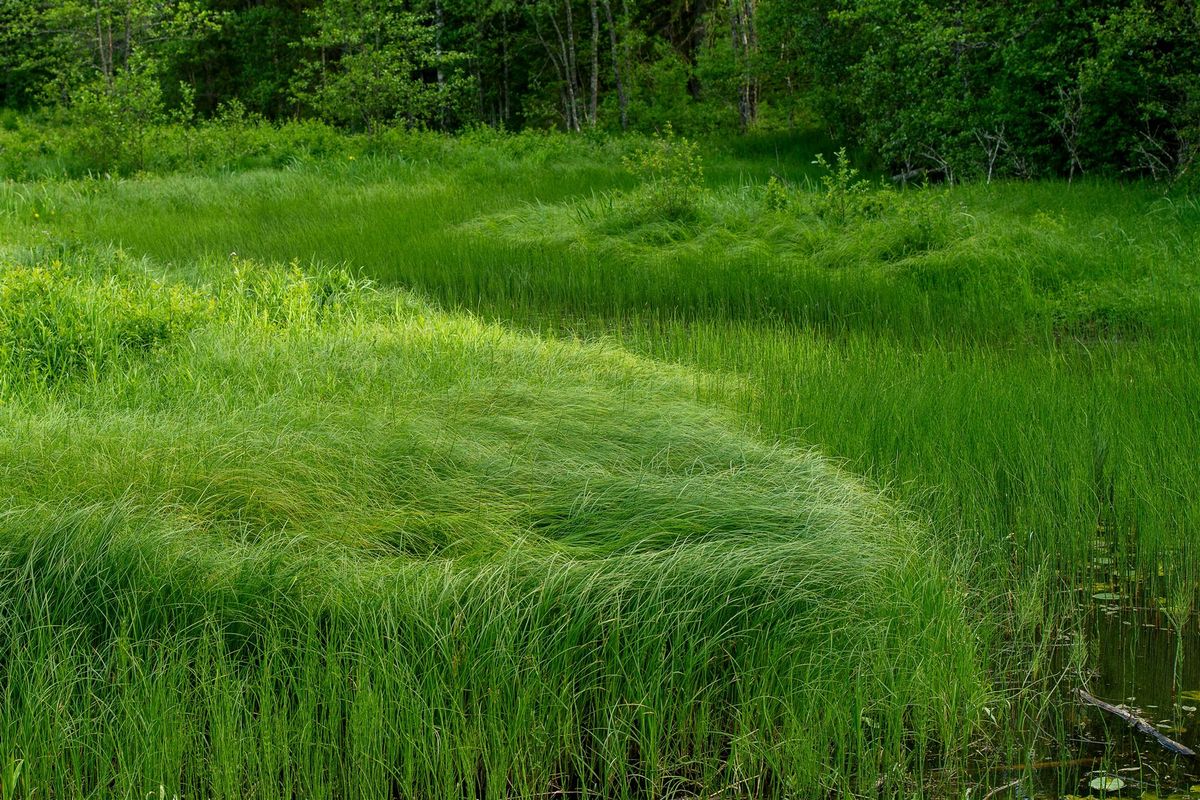
Wildflower meadow

Native plants and habitat structure

Local plants shape the food web. They support pollinators, stabilize soil, provide microhabitats, and give landscapes their ecological character.

  • Recommended literature: native flora guides, meadow restoration manuals, and regional Red List resources.
  • Future content: flowering calendar, seed collection notes, and planting recommendations.
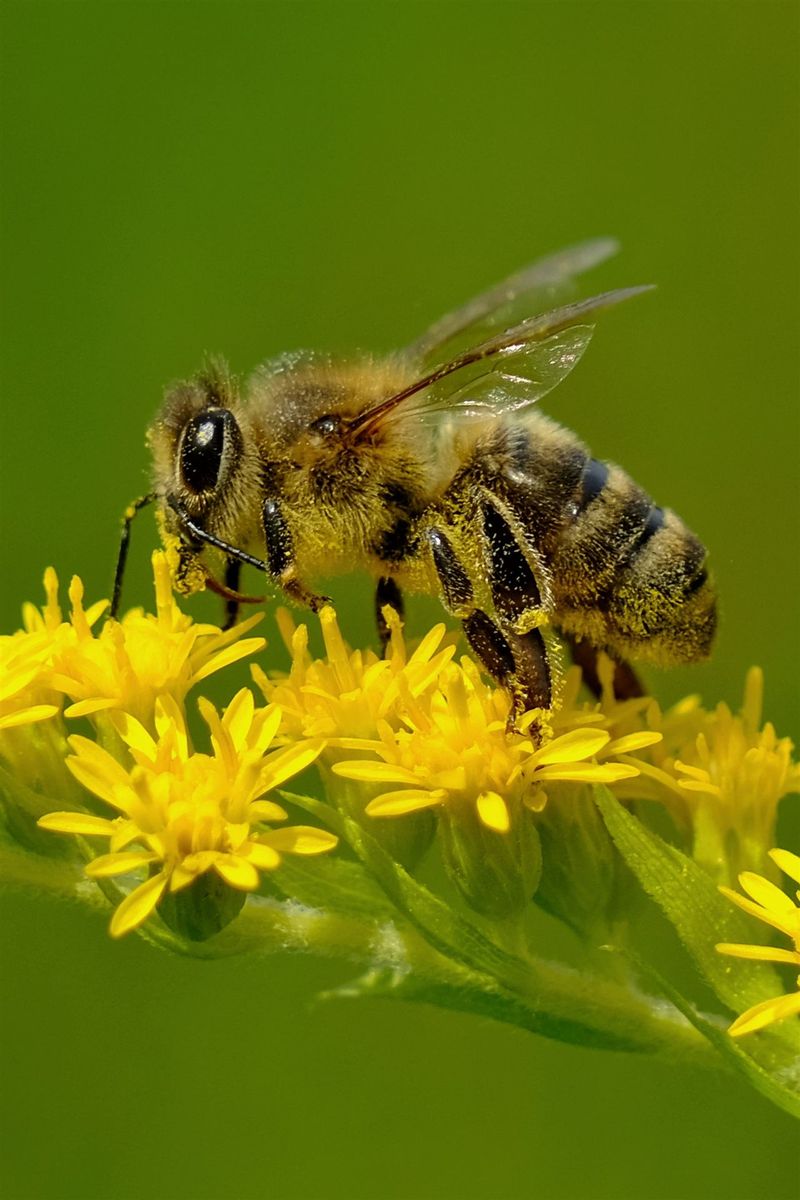
Bee on a wildflower

Pollinators and visible biodiversity

Wild bees, butterflies, hoverflies, and beetles make biodiversity visible to the public. Their presence shows whether habitat patches are connected and rich enough to support life cycles.

  • Recommended literature: wild bee identification keys, butterfly monitoring manuals, and pollinator habitat guides.
  • Future content: photo galleries, observation tips, and citizen science links.